Should You Buy the Apple Iphone 17 Pro in 2026? A Deep Dive
Introduction
I've been using the Apple iPhone 17 Pro as my daily driver for several months now, and this article collects the honest, hands-on observations I made during that time. I bought it because I wanted a phone that felt premium, lasted a full day under heavy use, and delivered noticeably better photos and video without me having to think about settings. What I found was a device that moves the iPhone line forward in meaningful ways, but not without trade-offs—some are small, others are worth thinking about if you're deciding whether to upgrade or buy fresh in 2026.
First impressions and unboxing
Right out of the box, the 17 Pro felt like a refinement rather than a revolution. The finish is matte and slightly warmer to the touch compared with previous generations, and the phone sits solidly in the hand. I've always appreciated Apple's attention to tactile details, and the haptics on this model feel a little more nuanced—short, crisp responses for typing and longer, smoother ones for system gestures.
One thing that bothered me initially was the weight: it’s heavier than the standard non-Pro models, and after a long day in my jacket pocket I noticed it. That said, the weight contributes to the feeling of durability and premium build.
Design and build quality
In my experience, the iPhone 17 Pro continues Apple's recent design language but refines it. The frame is exceptionally rigid and resists bending under pressure; the corners are slightly more rounded than my previous iPhone, which makes it more comfortable for long one-handed use. I was surprised by how little the glass showed fingerprints with the new coating—still present, but less obvious than on earlier devices.
Two small, very real annoyances: the flat-edge design still makes it a bit awkward to grip for longer video sessions without a case, and the camera bump is large enough that the phone wobbles on a flat table. Neither is a dealbreaker for me, but they're the kind of everyday things I noticed quickly.
Display — what I liked and what I didn’t
The display is gorgeous in normal use. Colors are vivid without being punchy, and the adaptive refresh rate feels intelligently managed: ultra-smooth scrolling when I want it, and very conservative when I want battery life. I appreciated the slightly brighter peak brightness outdoors; I noticed fewer squints when using the phone in direct sun.
What I found was that the Always‑On mode is now more useful than a gimmick. It shows useful glanceable information without being overly distracting, and the dimming behavior is noticeably smarter than before—less flicker, fewer accidental wakes. However, I did see the occasional pulse where the screen woke a bit more than I expected while the phone was in a bag.
Performance and daily use
I've been using the iPhone 17 Pro for gaming, photo editing, dozens of message threads, and work calls. The phone is fast and zippy—apps open instantly and background tasks stay alive longer between reloads than previous iPhones I owned. Heavy apps like video editors and high-frame-rate games run smoothly, and the device manages thermals better than last year’s model: sustained workloads warm the chassis but rarely get hot enough to throttle noticeably during my typical sessions.
One thing I appreciated: animations and haptic feedback are tightly integrated, which makes the phone feel polished in ways you don’t notice until you use a lesser device again. On the other hand, if you're someone who benchmarks devices and expects headline-grabbing numbers, this model is more about real-world refinement than dramatic leaps in raw performance.
Looking for the best Mobile Phones deals on Amazon?
View Offers →Camera system — my real-world experience
The camera improvements are where I spent most of my time testing. In everyday lighting, photos are consistently excellent straight out of the phone, with pleasing dynamic range and accurate skin tones. I was surprised by how well the main camera handled tricky backlit portraits—faces remained natural without the blown-out skies you sometimes get on phones that overdo HDR.
The telephoto (including the periscope-style reach introduced in recent Pro models) became my go-to for candid shots. It lets me compose tighter images without stepping forward and retains surprisingly strong detail. Low-light performance is improved, especially for night portraits and indoor scenes, though there are times when aggressive noise reduction softens fine textures more than I’d like—hair detail is sometimes a casualty.
Video remains a strong suit: stabilization is excellent, color is consistent across focal lengths, and the in-phone editing workflow is fast enough to cut simple clips without a laptop. If you shoot a lot of video on your phone, you'll appreciate the steady improvements here.
Battery life and charging
After testing the iPhone 17 Pro across days of mixed use (GPS navigation, streaming, camera work, and social apps), I found that battery life comfortably reached the end of a heavy day and often had 20–30% remaining by bedtime. On lighter days I was getting well into the second day with careful usage patterns. That was a pleasant surprise given the display’s capabilities and the phone's overall performance.
Charging felt faster in practical terms. Wired charging reaches a useful level quickly, and I liked that a quick ten to twenty minute top-up in the morning provided a noticeable boost. Wireless charging is convenient, though still slower—and the device does get warmer while charging fast, which is normal but worth noting for heavy users who top up frequently.
Software and ecosystem
I've used several versions of iOS over the years, and in my experience the version shipping with the 17 Pro is more outwardly helpful: system-level AI features are integrated in ways that actually save time, like smarter text summaries and context-aware photo search. I was impressed that on-device processing handled many tasks without needing to offload everything to the cloud, which felt better for privacy and responsiveness.
One frustration: while Apple continues to make iOS more flexible, there are still intentional limits compared with more open systems. If you rely heavily on cross-platform customizations or certain third-party integrations, you may bump into friction. For me, the trade-off of a tightly integrated, reliable system is worth it, but I know that’s a personal preference.
Connectivity, biometrics, and extras
Connectivity was solid: fast cellular performance, Wi‑Fi reliability, and Bluetooth that paired quickly with headphones and watches. The return of USB-C (if you already have a drawer full of cables) felt liberating, and I appreciated the slight speed bump for transfers. Biometric unlocking via Face ID remains fast and reliable, even with masks less of an issue these days, and I noticed Face ID recognition had become a touch faster in daily use.
Looking for the best Mobile Phones deals on Amazon?
See Deals →Apple’s ecosystem perks—seamless continuity with my laptop, instant call handing between devices, and simple AirDrop file sharing—continue to be meaningful time-savers. If you already have other Apple devices, the 17 Pro integrates into that setup with minimal friction.
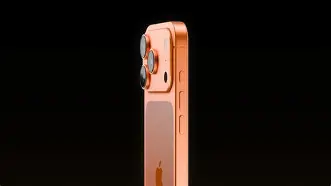
What I appreciated and what disappointed me
- What I appreciated: excellent camera flexibility, consistent battery life, improved thermals under load, refined haptics, and meaningful on-device software features that actually save me time.
- What disappointed me: the higher weight compared to non-Pro models, sometimes aggressive image smoothing in low light, a premium price that’s hard to justify for casual users, and the ongoing lack of expandable storage or deeper cross-platform flexibility.
Pros & Cons
- Pros
- Smooth, bright display with adaptive refresh and useful Always‑On behavior.
- Excellent camera system for photos and video, especially telephoto reach.
- Solid battery life that easily gets through a heavy day.
- Refined haptics and polished software interactions.
- Fast, reliable performance with better thermal management.
- Cons
- Premium price puts it out of reach for many buyers.
- Heavier than non-Pro iPhones; can be tiring in pocket after long days.
- Occasional over-smoothing in low-light photos.
- No expandable storage and continued restrictions compared to more open ecosystems.
- Large camera bump makes it wobble on flat surfaces.
Comparison: iPhone 17 Pro vs. iPhone 16 Pro vs. a flagship Android (at-a-glance)
| Feature | iPhone 17 Pro | iPhone 16 Pro | Flagship Android (typical) |
|---|---|---|---|
| Display | Refined ProMotion adaptive display, brighter peak, smarter Always‑On | Excellent ProMotion display, slightly lower peak brightness | High-refresh AMOLED with comparable brightness and aggressive HDR |
| Performance | Latest Apple silicon—very fast, improved thermals | Previous-gen Apple silicon—still very fast | Top-tier silicon (varying makers), strong in multi-core tasks |
| Cameras | Improved telephoto reach and better low-light algorithms | Great all-around camera, slightly less tele reach | Competitive multi-sensor setups, sometimes more aggressive processing |
| Battery | All-day with room to spare under typical use | Good single-day battery life | Varies by model—some match or exceed with larger batteries |
| Software | Tightly integrated iOS with on-device AI features | Stable iOS with fewer AI features | Flexible OS, different vendor UIs, expanding AI toolsets |
| Value | Premium price; best if you want the ecosystem and camera | Better value if you can find deals | Sometimes better hardware value, trade-offs in ecosystem |
Buying guide: who should consider the iPhone 17 Pro
In my experience, the iPhone 17 Pro is a strong buy if you fall into one of these categories:
- You use Apple’s ecosystem heavily. Continuity features—copy/paste between devices, handoff, and shared apps—aren’t just conveniences; they save time when everything works together. If you have an iPad, Mac, or Apple Watch, the 17 Pro will slot into that life smoothly.
- You care deeply about mobile photography and video. The telephoto reach and consistent image processing make it easier to get strong results without dialing in settings. For creators who shoot and edit on-device, this is meaningful.
- You want a phone that feels premium and will remain responsive for years. The build quality, software polish, and on-device processing improvements mean the phone feels relevant longer.
Who might want to wait or look elsewhere?
- Price-sensitive buyers. If you’re content with very good camera performance and battery life at a lower price, previous-generation iPhones or well-equipped Android flagships can offer better value.
- People who need extreme customization. If you like deep OS-level customizations, third-party app store flexibility, or expanding storage, an Android alternative may be a better fit.
- Those who prioritize weight and pocketability. The Pro model is heavier and chunkier than non-Pro variants. If you carry your phone everywhere and dislike any extra heft, consider a lighter model.
Practical tips from my months of use
- Protect it with a slim case if you don’t want the camera bump to be a problem on flat surfaces—this eliminates the wobble and gives extra grip without hiding the finish.
- Turn off aggressive in-app background refresh for apps you rarely use; it saved a few percentage points of battery for me and reduced little spikes of heat.
- Use the in-phone photo editor for quick color corrections; it's fast and often removes the need to move to a desktop for simple adjustments.
- Give yourself a week to adapt—Apple’s subtle haptic and animation changes make the phone feel different at first, and that “polish” grows on you with daily use.
Final thoughts — is it worth buying in 2026?
After several months with the iPhone 17 Pro, my conclusion is this: if you value a polished, cohesive experience that excels at photography and video, integrates seamlessly with other Apple devices, and delivers reliable all‑day battery life, the 17 Pro is a very strong pick. It represents a meaningful refinement over its predecessors rather than a dramatic reinvention—so the upgrade is most compelling for people coming from much older models or those who prize the camera and software upgrades.
On the flip side, if you're highly price-sensitive, prefer the lightest possible phone, or want maximum customization and expandable storage, there are alternatives that could better match your priorities. For me personally, the 17 Pro hit the sweet spot: it's become the phone I reach for first when I want great photos, dependable battery, and a device that simply gets out of the way and lets me do my day.
Conclusion
I've been using the iPhone 17 Pro as my daily phone for months, and in my experience it earns its place among the best phones I’ve owned. It weighs a bit more than I’d like and occasionally over-smooths low-light shots, but the refinements to the display, camera system, battery life, and software polish add up to a practical, premium phone that I’m glad to carry every day. If those strengths align with what you need from a smartphone in 2026, the iPhone 17 Pro deserves serious consideration.